

Letter From London: The London food scene
London has 88 Michelin Stars and Loses Two Pubs a Day. Both Numbers tell the Same Story.

If there’s any city that might be considered the culinary capital of the world, London can lay pretty strong claim to being it. Every global cuisine is represented here at the same time that contemporary British cooking has revealed itself completely disassociated from its long-held reputation for over-boiled vegetables, over-roasted meats, and puddings based on wodge and sentimental memories of public-school (that’s to say, private school) meals.
But London’s food scene success isn’t quite that cut-and-dried. Landlord greed has added steeply rising rents to restaurants’ costs of maintaining Michelin-star expectations. Successive governments have kept Value Added Tax at 20%. Brexit and the resulting immigration laws have squeezed out the global labour pool previously depended upon to staff front-of-house and kitchens, adding to the problems caused by rising food import costs and ever-increasing energy bills.
High-volume chains and mid-tier establishments struggle, and a number of good independents have had to close for lunch to stay afloat. Yet try and get a reservation in any restaurant - high end, ethnic, or neighbourhood – which has featured on Instagram, and unless you’re a free-loading, promo-promising influencer or a celeb with a ‘name’, you’ll have to book weeks if not months ahead. More often than not, you’ll be eating in a minimally but expensively designed room where you’ll have to shout to be heard above the shrieks of laughter from the tables on either side of you only inches from your elbow, and a carefully curated playlist loud enough for a nightclub dance floor.
The average age of most diners in any such on-trend restos is well under forty. It’s a sector of society that can’t ever expect to have a house or an apartment of their own unless funded by the bank of Mummy and Daddy, so instead spends its earnings in desirable public spaces because to save hard-earned money makes little sense. London property prices may trail Hong Kong and Zurich but they are more expensive by far than New York, Paris, and Amsterdam. London’s salaried young are eating out not less often but more, seeking to be part of the community, to make some kind of post-pandemic connection. Before Covid, a three-course dinner at an average mid-range London restaurant (not ethnic which are always cheaper) cost around £40 without drinks and service. Now it clocks in at between £50 and £90 before drinks and service (a standard 12%). But young diners willingly pay a premium for dishes they haven’t even chosen themselves but which have been curated for them on tasting menus that once were the province of high end restaurants only.
Despite closures continuing in the middle and lower-price market, dozens of new restaurants open in London each month, with between 220 and 250 each year since Covid. The bulk of successful fixtures have been at the upscale end, many of them in Mayfair. Luxury fine dining drives their success, despite the economic and staffing challenges. London holds 88.
Michelin stars. Renowned chef Jason Atherton of Soho’s Bocca di Lupo has opened Row on 5 on Savile Row. On St George Street, wood-fired Igni, helmed by Theo Clench previously of Shoreditch’s Michelin-starred Cycene (olde English for ‘kitchen’) serves up a seafood tasting menu. The former Gavroche site on Upper Brook Street has been taken over by Bonheur, where chef Matt Abé has already garnered two Michelin stars. Elite restaurants such as these can charge £150 or more a head at dinner.

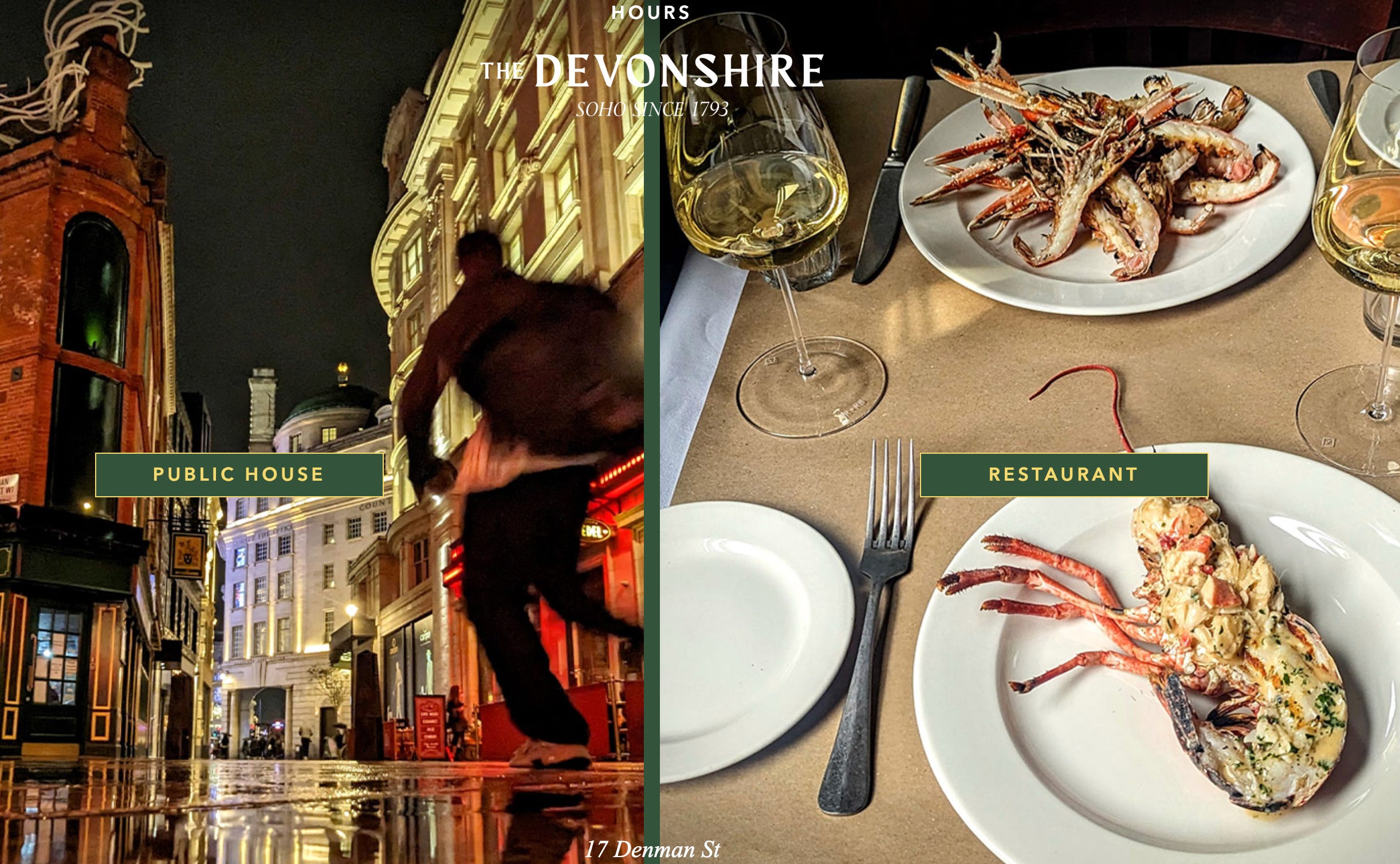
At the affordable end of a night out, in the first quarter of 2026, two pubs a day across the UK closed, with the loss of 2,400 jobs. Since 2000, 16,000 have shut their doors. Yet across London (and in major UK cities) in neighbourhoods where rents are lower, success has come to those which have transformed themselves into gastropubs, with kitchens celebrated for high quality food at reasonably affordable prices whose lower checks to the diner are partly helped by ordering good draft beer instead of wine. In Soho, The Devonshire and Upstairs at the French House are notoriously hard to get into. The Harwood Arms in Fulham, southwest London, is Michelin-starred. Not all serve contemporary versions of traditional British comfort food. The Tamil Prince in Barnsbury, North London, is celebrated for its South Asian cooking; Richmond’s The Red Cow is revered for its authentic Cambodian menu. Eat at Hammersmith’s modest The Salutation and most of the unpretentious pub’s other dinners relishing its Thai dishes are South East Asian.
Despite the challenges, with diners still enthusiastic about eating out at the higher end of the cost spectrum, restaurateurs who focus on responsible sourcing of seasonal food and who provide chef-led innovative or immersive experiences are likely to survive the volatility of the London restaurant scene.
 | A guest post by
|