

The American Table | May 2026
Everywhere you turned in London this week, there were Americans. Not tourists. Americans who came and stayed — working in its restaurants, pouring its wine, redistributing its food, writing about its tables. A quiet migration that doesn’t make the wealth pages but says something true about where we are right now.
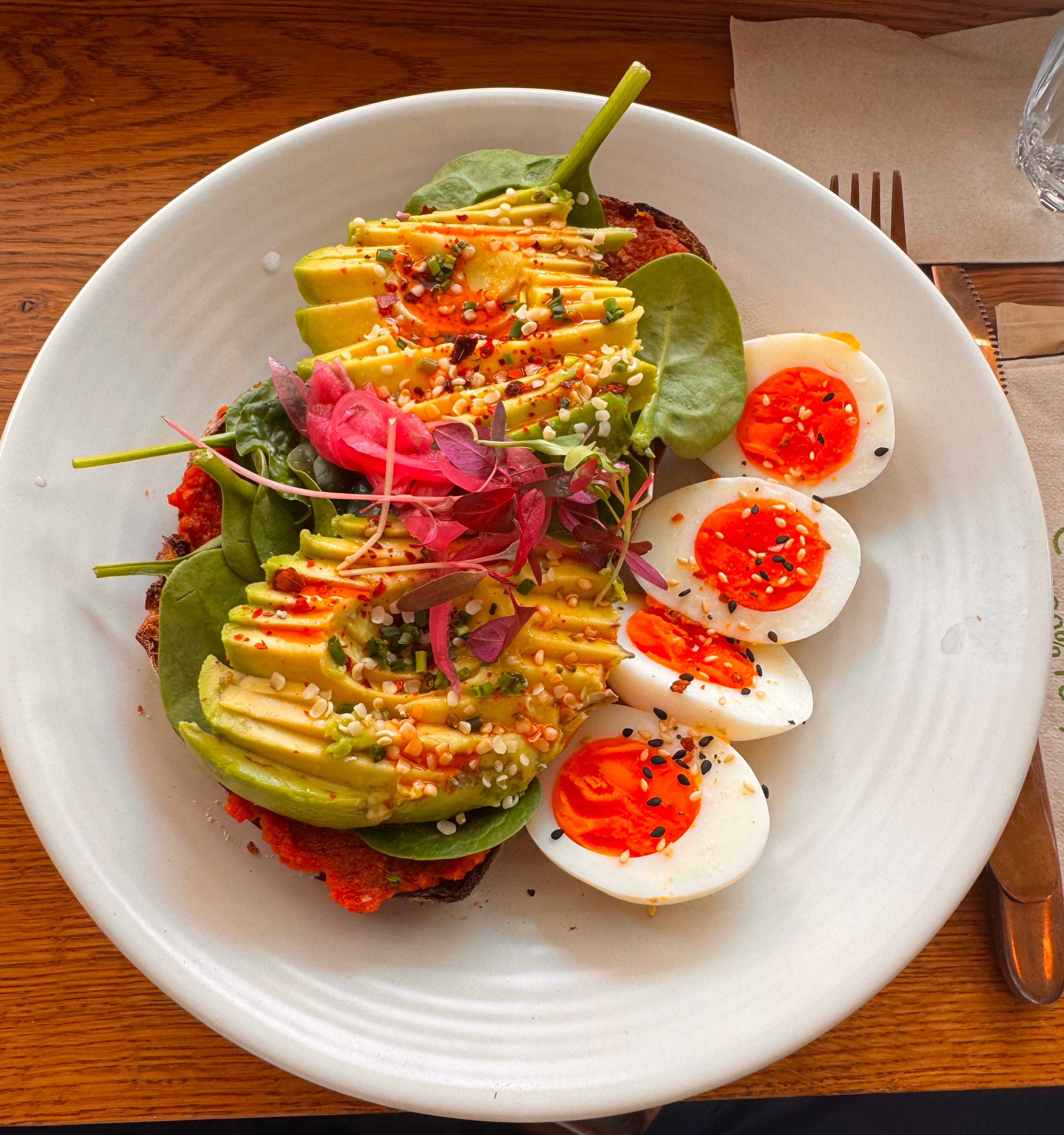
Marylebone. 8 am.
The high street before the city gets loud. Jammy eggs, espresso, a café that doesn’t try too hard. The morning happening through the window — deliveries, school runs, a woman walking a dog the size of a coffee table.
Back-to-back meetings from nine. Americans living in London. London money looking at Washington. People who move between both cities the way other people move between zip codes.
Somewhere in the night, Somerville — the film about the Grove family’s Virginia farm, four generations on the same land since 1914 — had been nominated for two Capitol Emmy Awards. Societal Concerns, Long Form Content. Audio Recording.
The news came at three in the morning—some things you carry quietly through the day.
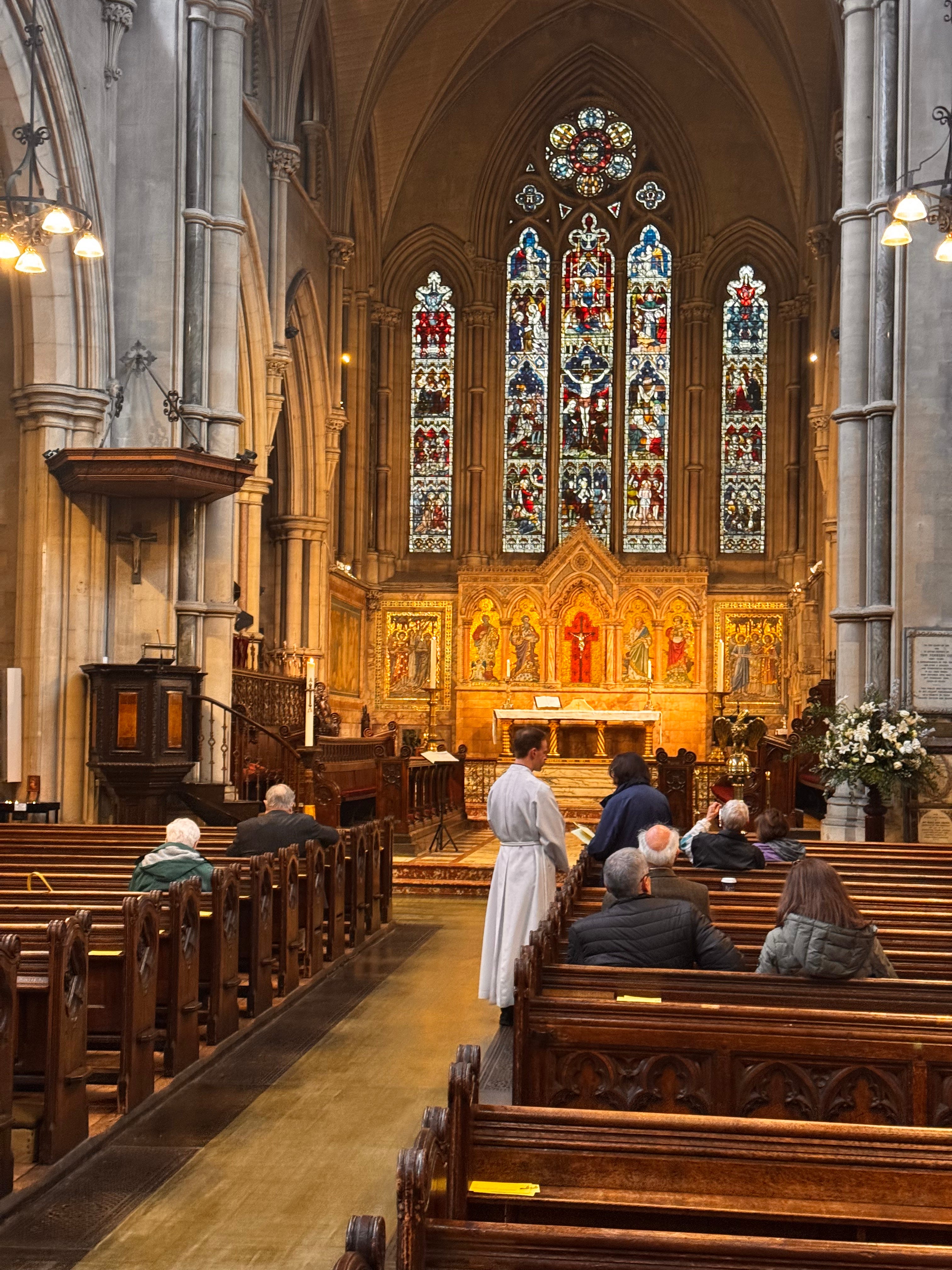
St. Alban’s, Kensington. Before Lunch.
A candle lit in a quiet church before the afternoon began.
Not everything worth noting makes it into a newsletter. Some things are just between you and whatever you believe in. The Emmy news. The Groves. Bobby’s handshake after the private screening last fall. A film about people who stayed when leaving would have been easier.
Gratitude has to go somewhere. A candlelit church in Kensington is as good a place as any.
Before the trip, Julia Watson had been talking about this at length.
The Felix Project — London’s largest food redistribution charity, founded in 2016 by Justin Byam Shaw in memory of his teenage son Felix, who died suddenly from meningitis. The project rescues surplus food from supermarkets, restaurants, and farms and delivers it free to over 1,200 charities and schools across the city. Felix’s Kitchen in Poplar turns donated produce into roughly 4,000 ready meals a day. Last year: 38 million meals.
A father’s grief turned into something that feeds people. That’s the whole story.
Julia is doing work that matters in London. She won’t be the last one mentioned here.
The UK’s sugar tax — in place since 2018 — has cut sugar in beverages by 44 percent. Not by asking nicely. By making the industry reformulate or pay. The menus across this city have followed. What a society decides to pay attention to shows up eventually on the plate. London figured that out.
Lunch at The Ivy
Lunch with Alex, who runs Sotheby’s UK. Old friends, no agenda required.
The Ivy at noon is a civic event. Amber lights, arched windows, the bar occupied before most people have finished their coffee. Old money and new money and money you can’t quite place, all eating together with the ease of people who’ve decided this is where they belong.
The conversation covered the market, London, Washington. A lot of ground without arriving at any particular conclusion. That’s the best kind.
West Hampstead. Late Afternoon.
A friend named Cathy — her flat in West Hampstead, and one stop first.
Her favorite butcher in the neighborhood. The kind of shop that still knows its customers by name, still cuts to order, still treats the work as something worth doing carefully. Twenty minutes at the counter just talking about what was good this week. London runs on these places. The restaurants get the attention. The high streets do the actual work.
Then wine at Tannin and Oak. A wine bar on the high street, unhurried, the kind of room that rewards staying longer than you planned. The wine steward was from New York. She’d been in London long enough to know the list cold and recommend without hesitation. Another American who found something here worth staying for.
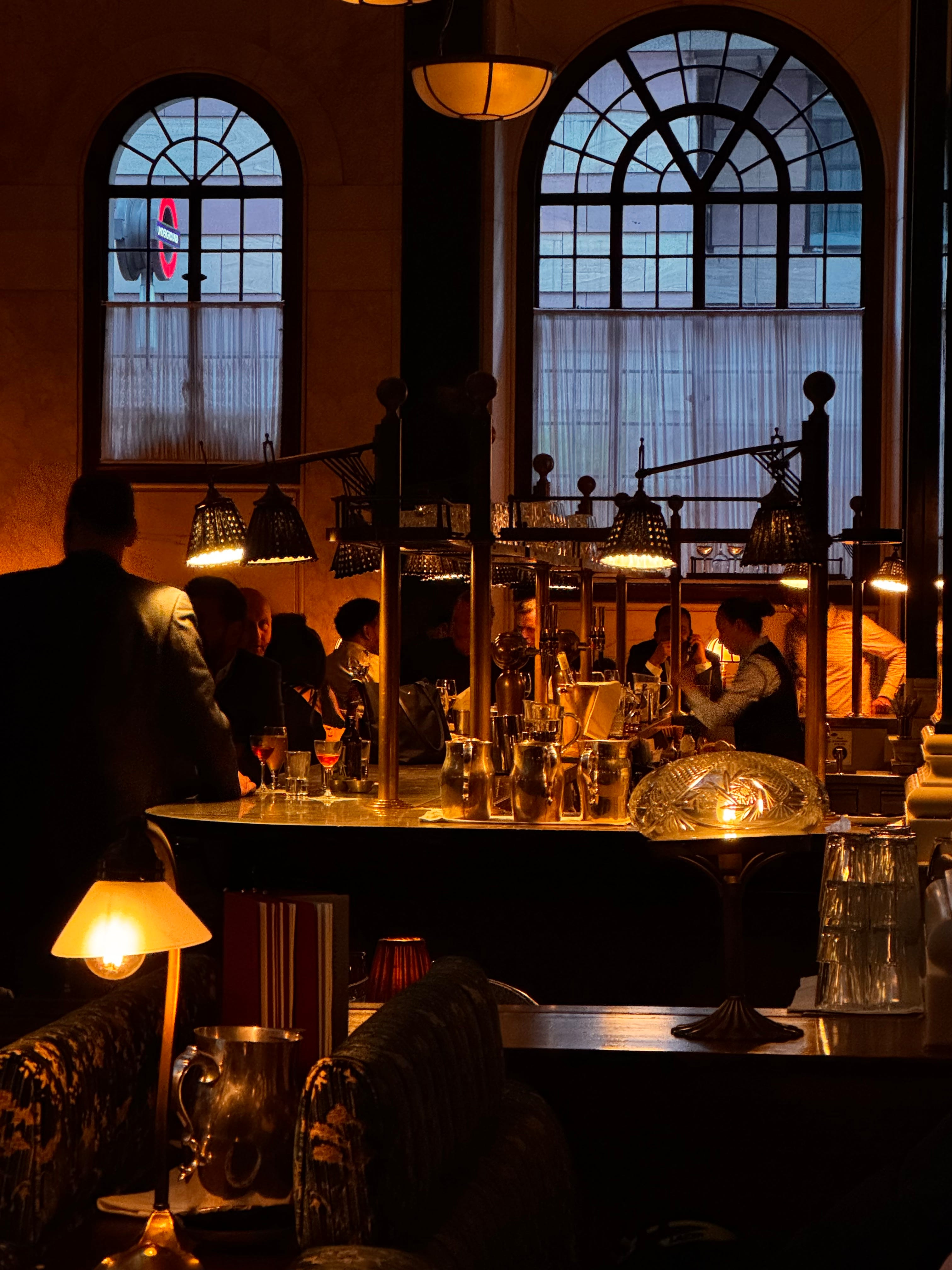
Evening. The Ned.
Back to the bar. Midland Bank once — Sir Edwin Lutyens, 1924. Arched windows two stories up, brass fittings, a hundred years of transactions in the walls.
Campari. Ice. Orange. Soda water on the side.
Through the window the Underground roundel glowing red. London telling you it’s still here. Still running.
A full day. Good meetings. A church in Kensington. Lunch with a friend. A butcher in West Hampstead. Wine poured by a New Yorker who stayed. Two Emmy nominations carried quietly since three in the morning.
The bartender didn’t ask questions. London lets you have your moment.
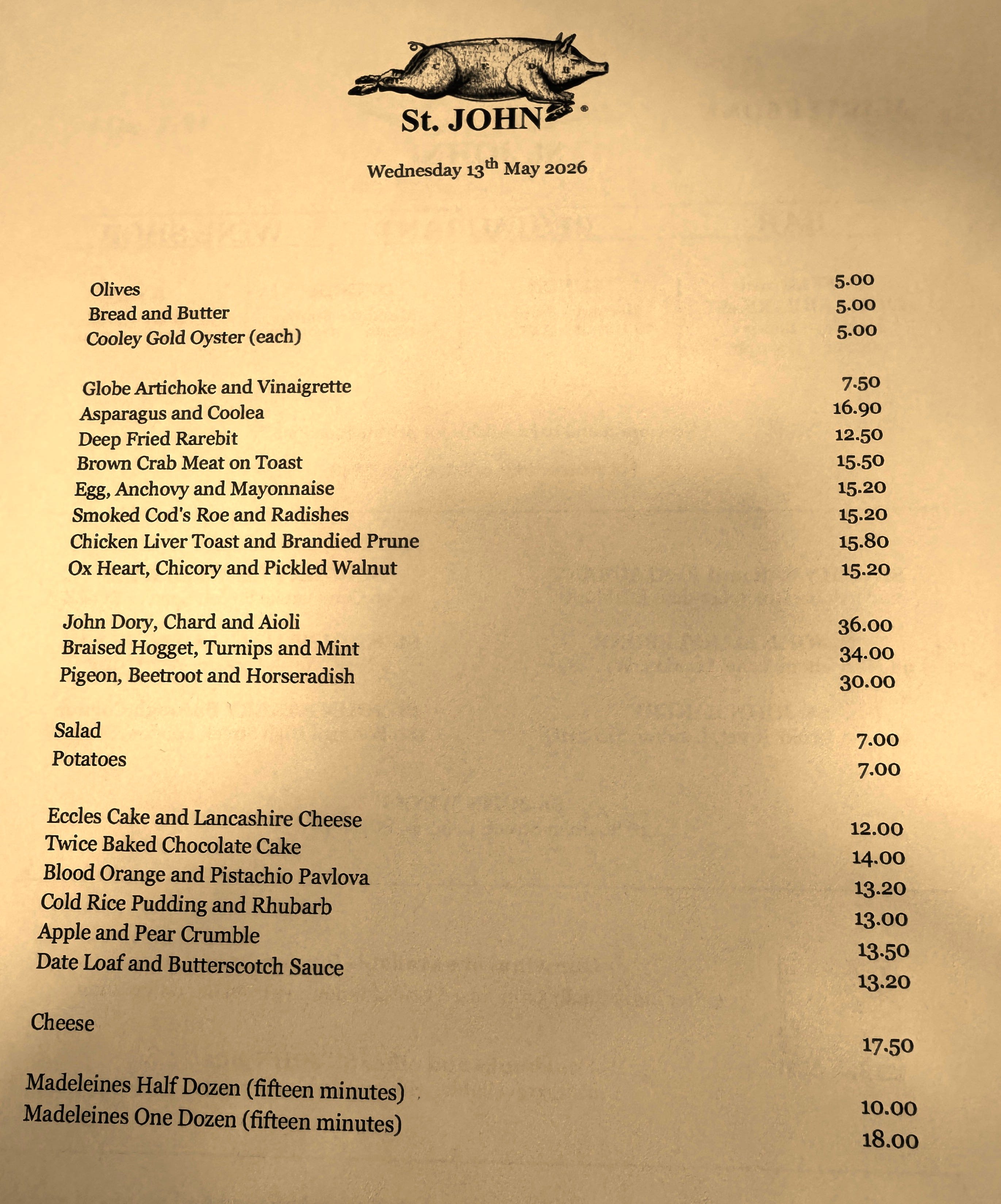
Dinner at St. John
Twenty years of coming back to this room.
Fergus Henderson opened it in 1994 with a philosophy that was radical then and obvious now — nose to tail, nothing wasted, the whole animal respected. The menu printed fresh every day. Wednesday 13th May 2026. The pig on the masthead never changes.
The server was Michael. From DC.
He brought the Roe and Radishes without ceremony and checked back once. That’s the St. John way — the room doesn’t perform, the food doesn’t explain itself, the service doesn’t intrude. Michael understood this perfectly. He’d learned it here, in this room, in this city, three thousand miles from home.
The Lancashire Cheese was on the menu. Ordered without hesitation.
It was late when the night ended. The city quiet in the way London gets quiet — not empty, just settled. The Groves on the mind. A film nominated for two Emmys while dinner was being eaten three thousand miles from Virginia. Michael clearing the next table. A long way from DC. Right where he needed to be.
Some things take twenty years. Some things happen overnight. Both are true at the same time.
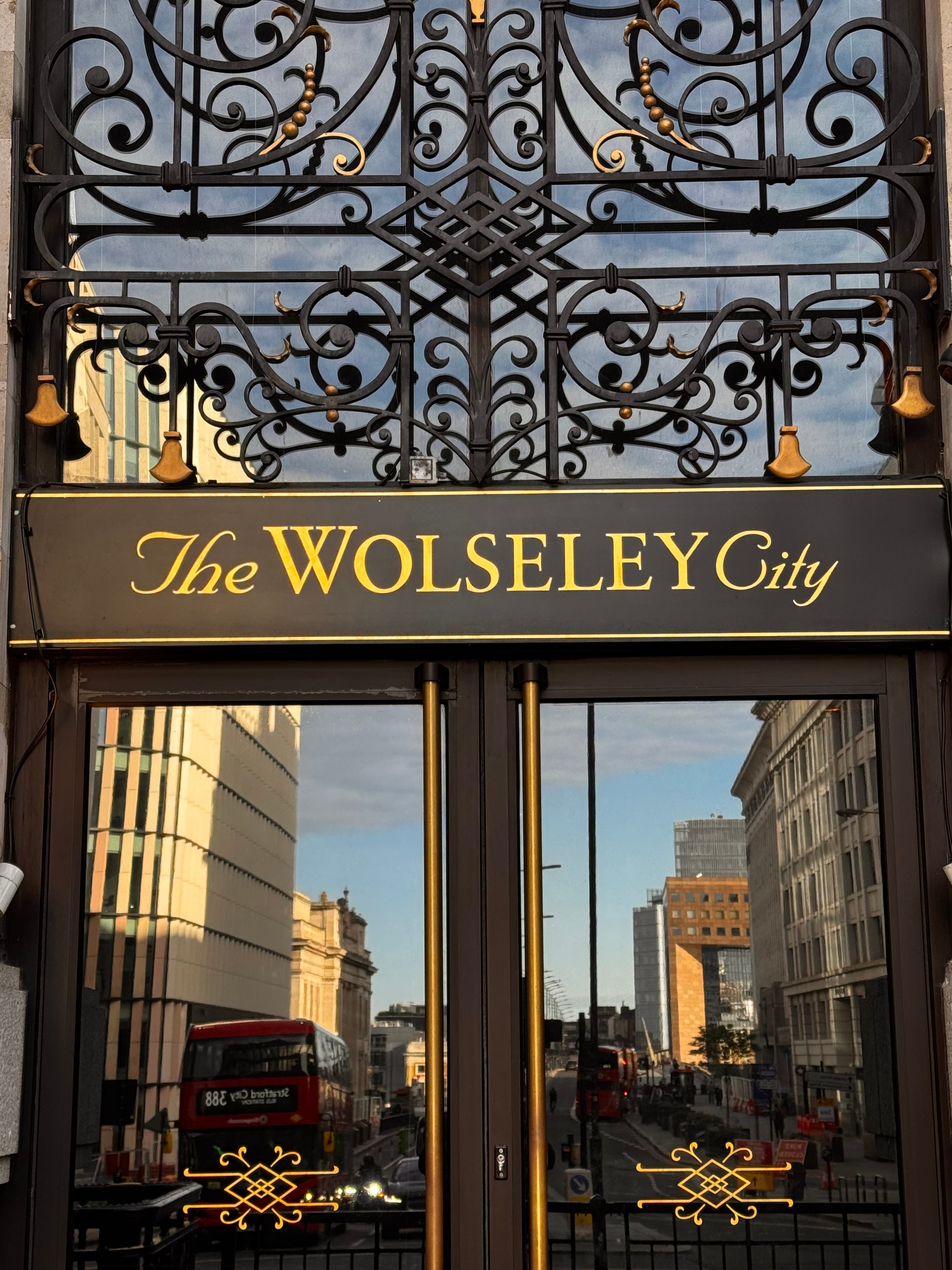
Breakfast at The Wolseley. Friday Morning.
Josh Spero of the Financial Times is across the table.
The Wolseley is the right room for this conversation — grand, unhurried, the kind of place that takes breakfast seriously. Wealth migration was on the table. Journalism. Americans in London. Opera and the arts. The particular question of what brings people across the Atlantic and what keeps them here.
The answer, it turns out, isn’t simple. It never is.
Some come for the property. Some come for the work. Some come for a posting and discover they’ve stopped counting the years. Julia writing about food in a city she now knows better than the one she left. A New Yorker pouring wine in West Hampstead on a Wednesday afternoon. Michael from DC bringing the Roe and Radishes at St. John like he was born to it.
London in 2026 is absorbing a quiet but significant American presence. Not all of it shows up in the wealth migration numbers. Some of it shows up in who’s working the room, pouring the glass, redistributing the food.
The American Table has been watching this from both sides of the conversation for nearly a decade.
That’s why this trip matters. That’s why this letter exists.
The scrambled eggs and toast were the best on the planet. That’s not a throwaway line. That’s a fact about that room. The coffee was excellent. The company was better.
The American Table covers food, politics, and culture from Washington and beyond. This dispatch was filed from London.